If you’ve been dealing with stubborn pain, stress, or recovery plateaus, you’ve probably seen the debate—acupuncture vs cupping—and wondered which one actually fits your body and goals. At Spa Olive in North York, we use both modalities thoughtfully, sometimes separately and sometimes together, to help people move better, sleep deeper, and feel calmer. This guide …

If you’ve been dealing with stubborn pain, stress, or recovery plateaus, you’ve probably seen the debate—acupuncture vs cupping—and wondered which one actually fits your body and goals. At Spa Olive in North York, we use both modalities thoughtfully, sometimes separately and sometimes together, to help people move better, sleep deeper, and feel calmer. This guide breaks down how each therapy works, when to choose one over the other, how to combine them safely, and what a realistic plan looks like—so the acupuncture vs cupping question becomes an easy, informed decision rather than a guess.
Choosing between acupuncture vs cupping doesn’t need to be complicated. Each has distinct strengths, sensations, and after-effects. By the end of this article, you’ll know what to expect in a session, how to prep, and which path aligns with your goals—relief, performance, skin health, or stress management—and your calendar and comfort level, too.
At Spa Olive, we ground every recommendation in your story, your day-to-day demands, and your timeline. Whether you ultimately land on acupuncture vs cupping, or a smart blend of both, the plan will be tailored—never cookie-cutter.
The short answer: what each technique does
Acupuncture in one minute
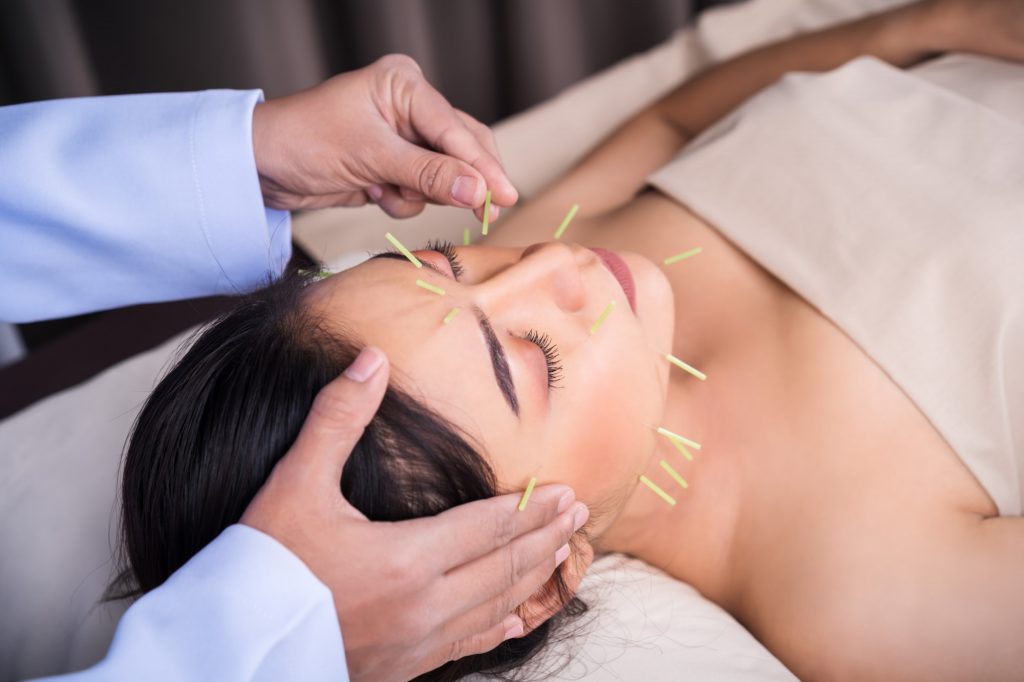
Very thin, sterile needles are placed at specific points to influence nerves, muscles, fascia, and the central nervous system. Most people feel a dull, pressure-like sensation or warmth; some feel nothing at all. Sessions often include a few gentle re-checks to confirm progress before you leave.
Cupping in one minute
Suction cups (glass, silicone, or plastic) create negative pressure on the skin, lifting the top layers to encourage circulation and ease guarding. Cups may stay still or glide with light oil. Afterward, you may see temporary circular marks—evidence of local blood movement—not bruises from impact.
Bottom line for the “acupuncture vs cupping” question: acupuncture tends to deliver precise, nerve-modulating input, while cupping provides broad de-compression and circulation support. Both can calm an irritated area in different, complementary ways.
How each works inside your body
Targeting the nervous system (acupuncture)
Placing needles at specific points provides controlled stimulation that can reduce protective muscle guarding, alter pain signaling, and restore more efficient movement patterns. When we talk acupuncture vs cupping, this is where acupuncture shines: precise modulation and durable changes in how your body interprets discomfort.
Why precision matters
If your pain spikes with certain angles or tasks, a precise input (like acupuncture) lets us retest those movements during the session. Small, measurable wins build trust and momentum.
Lifting and gliding the tissues (cupping)
Cupping creates gentle separation of layers—skin, fascia, and superficial muscles—which can improve local blood flow and tissue glide. In acupuncture vs cupping comparisons, cupping delivers that unmistakable feeling of “space” and relief over broad, tight zones.
Why decompression helps stubborn tightness
If you describe your back, neck, or calves as “locked,” cupping’s negative pressure can reduce that stuck feeling quickly, priming you for easier stretching or strength work later.
Benefits you can feel (and measure)
Pain and stiffness
- Acupuncture: Great for sharp, guarded areas or pain that flares with specific motions.
- Cupping: Excellent for widespread tightness or “cement-like” muscle bands.
Stress and sleep
The steady, parasympathetic down-shift many feel with acupuncture can promote deeper sleep later that night. Cupping adds a sense of lightness and ease, which some find equally calming. In the acupuncture vs cupping debate for stress, both can help; preference often decides.
Range of motion and recovery
Acupuncture can reduce the “brake” your nervous system applies to painful motions; cupping can restore glide so those motions feel freer. For athletes comparing acupuncture vs cupping, the right call depends on whether the limit feels neurological (guarding) or mechanical (stuck).
Safety, regulation, and Canadian context
In Ontario and several other provinces, acupuncture is a regulated health profession within the Traditional Chinese Medicine framework. Ontario’s Traditional Chinese Medicine Act sets out regulation and accountability for the profession through the College of Traditional Chinese Medicine Practitioners and Acupuncturists of Ontario. This ensures training standards, public protection, and complaint pathways.
The Canada Revenue Agency has also clarified how acupuncture services are treated for GST/HST, noting that in provinces where acupuncture is regulated, practitioners must be licensed by the local regulatory body to meet the definition of a “practitioner” for tax purposes—an indicator of formal professional status and oversight.
Within broader pain-care guidance, provincial clinical resources encourage non-pharmacologic strategies—such as acupuncture—as reasonable options in multimodal care, especially during acute pain episodes or when aiming to minimize medication load.
Coverage varies. Some provincial programs and supplementary benefits may assist with acupuncture costs for eligible residents; check the specifics for your province and your private plan. (For example, B.C.’s health coverage pages describe supplementary benefits and eligibility pathways.)
If you’re comparing acupuncture vs cupping for safety, both are generally well tolerated when performed by trained professionals with clean technique. We’ll review your medical history, medications, and goals to decide the best fit.
Who typically chooses which?
Choose acupuncture when…
- You have a pinpoint pain that lights up with a specific movement.
- Your symptoms include nerve-like elements (zings, zaps, or referred sensations).
- You want precise, retestable change during the session.
Choose cupping when…
- Everything feels tight or “cemented,” especially after long desk days.
- You want broad circulation support and a sense of decompression.
- You’re sensitive to needles but still want hands-on change.
What about acupuncture vs cupping for headaches or jaw tension?
Acupuncture can be ideal where nerve modulation and deep muscular release are priorities; cupping can help neck/upper-back tightness that feeds into head and jaw tension. Often, we’ll start with one and add the other as tolerance improves.
A practical decision framework (so you don’t overthink it)
- Your main goal today: Is it “turn down sharp pain” or “loosen everything”? For sharp, guarded pain, acupuncture leads in the acupuncture vs cupping decision. For widespread tightness, start with cupping.
- Your sensitivity profile: If you’re needle-hesitant, cupping lets us make progress and revisit the acupuncture vs cupping choice later once you’re more comfortable.
- Your timeline: Need same-day relief for a presentation? Cupping often gives a quick “lightness” win. Working on a recurring problem? Acupuncture can anchor a progressive plan.
- Your schedule and skin: Remember that cupping marks can last a few days; plan around backless clothing or beach days if that matters.
What to expect at Spa Olive
Before the session
We listen to your story, review red flags, and map a short test-retest plan—so you’ll see if the choice you made in the acupuncture vs cupping debate is paying off within the session.
During the session
- Acupuncture: You’ll feel a quick tap as each needle goes in, then a spreading, pressure-like sensation. We may add gentle manual work between re-checks.
- Cupping: You’ll feel a lift and stretch under each cup; sliding cups feel like a deep, broad massage.
After the session
Expect a calmer, looser feel. Drink water, do two minutes of slow nasal breathing, and take a brisk 5–10 minute walk later to keep tissues happy.
Five tiny habits that make results last
- 45-minute posture reset: Stand up, unlock knees, reach overhead x5.
- Jaw and brow check: Place tongue on the roof of the mouth, soften the gaze, un-clench for 10 seconds.
- Heat before, cool after: A warm shower pre-session can ease entry; a gentle walk or light cool afterward settles things.
- The two-cup rule: Two full glasses of water between lunch and dinner.
- Sleep micro-routine: Three slow breaths at lights-out to reinforce your nervous system shift after acupuncture or cupping.
These micro-habits complement whichever side of acupuncture vs cupping you chose and reduce the “yo-yo” effect between sessions.
Can you combine them?
Absolutely. Many clients start with cupping to create space and follow with a short round of needles to lock in nerve-level change—or vice versa. In other words, acupuncture vs cupping doesn’t have to be a permanent choice; it can be a smart sequence that amplifies results.
Safety notes (plain language)
- Acupuncture: Tell us about blood thinners, pacemakers, pregnancy, or new/unexplained symptoms.
- Cupping: Marks are normal and temporary; avoid very hot environments for 24 hours and moisturize as needed.
- Both: Clean technique, single-use needles, and sanitized equipment are non-negotiable.
For general context, Canadian resources discuss regulated practice for acupuncture and the role of non-drug options in pain care; we align our clinic protocols with those expectations to keep your acupuncture vs cupping experience safe and predictable.
Building a realistic plan (weeks 1–6)
Weeks 1–2: Settle the flare
Two sessions focused on either acupuncture or cupping (based on your acupuncture vs cupping screen), plus micro-habits to calm reactivity.
Weeks 3–4: Restore glide and confidence
Progress to a blend if helpful—e.g., short needling to retest a painful motion, then sliding cups for global relief.
Weeks 5–6: Make it stick
Taper sessions while you add light strength or mobility work. The acupuncture vs cupping question becomes “what’s the right tune-up interval?” rather than “which therapy is better?”
Insurance, receipts, and practicalities
-
Receipts: You’ll receive detailed receipts; if you have extended benefits, check whether acupuncture delivered by a registered practitioner is eligible under your plan.
-
Public coverage context: Provincial materials recognize non-pharmacologic strategies (including acupuncture) as options in pain care; some programs describe supplementary benefits pathways. Verify current criteria for your province and your individual coverage.
This admin clarity lets you focus on outcomes—not paperwork—when choosing acupuncture vs cupping.
Why Choose Spa Olive
At Spa Olive, your session is calm, clinical, and collaborative. We start with your goals, test what matters, and build a plan that makes sense for your life. Whether today calls for acupuncture, cupping, or a smart sequence of both, we guide you through the acupuncture vs cupping decision with transparency and measurable progress.
- Personalized mapping: We test and retest key motions so you can feel the impact immediately.
- Clean, modern environment: Single-use needles, sanitized cups, and barrier-friendly products.
- Education that sticks: You’ll leave with 2–3 micro-habits so results last between visits.
- Easy booking in North York: Friendly team, straightforward scheduling, and clear next steps.
Helpful Canadian government resources
- Ontario’s Traditional Chinese Medicine Act (regulation and accountability for acupuncture practitioners): A useful reference for understanding professional oversight and public protection.
- BC clinical guidance for pain management (non-drug options such as acupuncture in multimodal care): Educational reading on where interventions fit within a graded plan.
Frequently Asked Questions:
1) Is acupuncture vs cupping better for sharp, specific pain?
Sharper, clearly localized pain often responds well to targeted needles first; we can add cups later for broad tightness. We’ll test during your session.
2) What about acupuncture vs cupping for desk-related neck and shoulder tension?
If everything feels “cemented,” cupping can quickly create space; acupuncture can then fine-tune stubborn trigger areas.
3) Will acupuncture vs cupping leave marks or cause soreness?
Cupping can leave temporary circular marks (not impact bruises) for a few days; acupuncture rarely leaves visible marks. Light post-session soreness is possible with either and typically fades quickly.
4) How often should I book when deciding acupuncture vs cupping?
Many people start weekly for 2–3 weeks to settle a flare, then taper. Your pattern will reflect your goals, schedule, and response.
5) Can I alternate acupuncture vs cupping from week to week?
Yes. Alternating or combining can be powerful—one session to reduce guarding, another to restore glide.
6) Is acupuncture vs cupping safe if I’m on medications?
We’ll review your history first. Blood thinners, skin conditions, or new symptoms may change the plan or timing, but most clients can proceed safely.
7) What if I’m needle-sensitive—does acupuncture vs cupping still make sense?
Absolutely. We can start with cupping, earn comfort and results, and revisit acupuncture later if appropriate.
Ready to choose (or blend) your next step?
You don’t have to pick a side forever. Book with Spa Olive and we’ll map a session that answers your acupuncture vs cupping question with real-world results—less guarding, easier movement, and a calmer nervous system you can feel the same day. Prefer to start gently? We’ll lead with one, add the other only if and when it makes sense. Either way, you’ll leave with a simple, sustainable plan that fits your week—and your goals. With a personalized approach to acupuncture vs cupping, your path to feeling better can start now.